 PRECISION
Better questions.
Better mold decisions.
Practical notes for the people sourcing, designing and approving silicone compression tooling.
6 guides
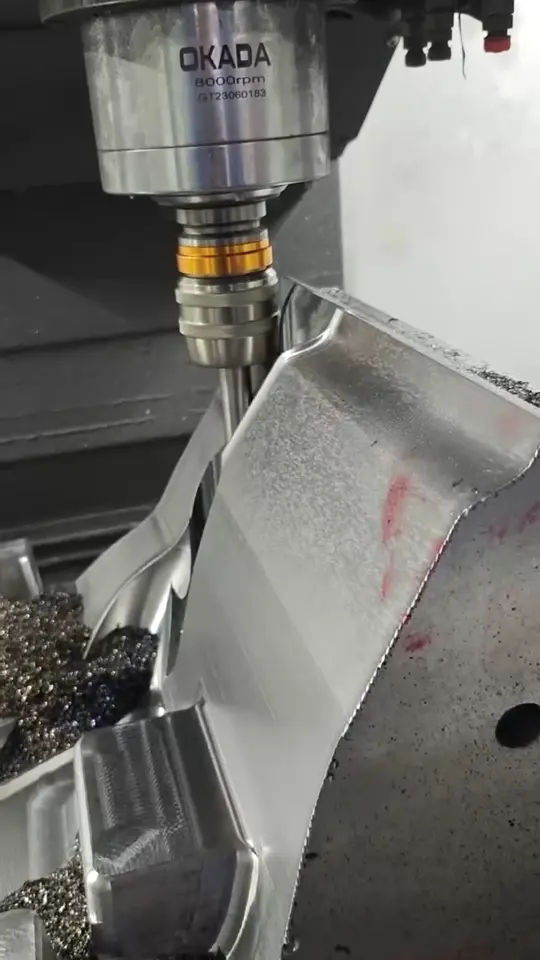 WORKSHOP FOOTAGE
What makes a silicone compression mold expensive?
Compare the scope behind the price before choosing a cheaper mold.
Read the guide →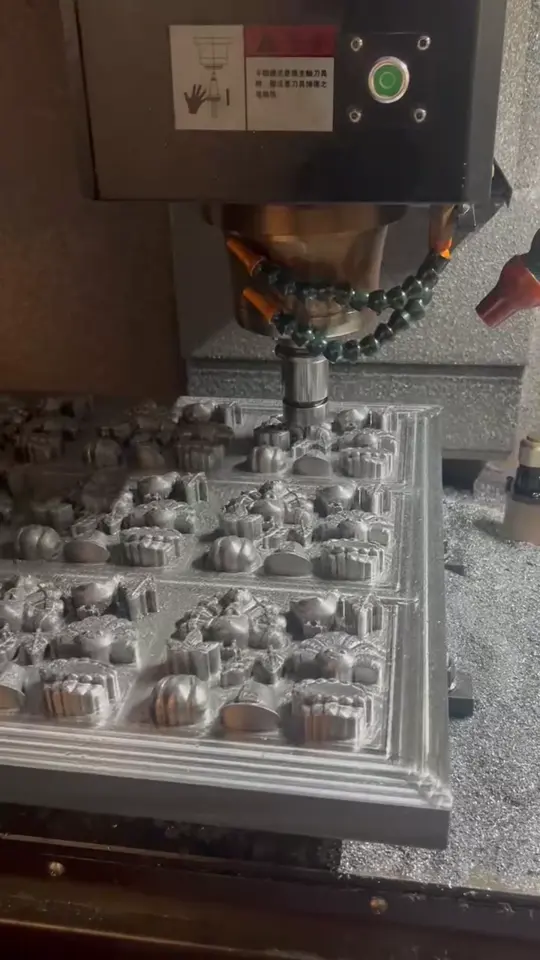 WORKSHOP FOOTAGE
Why does a silicone part tear during demolding?
Review geometry, release direction and material behavior together.
Read the guide →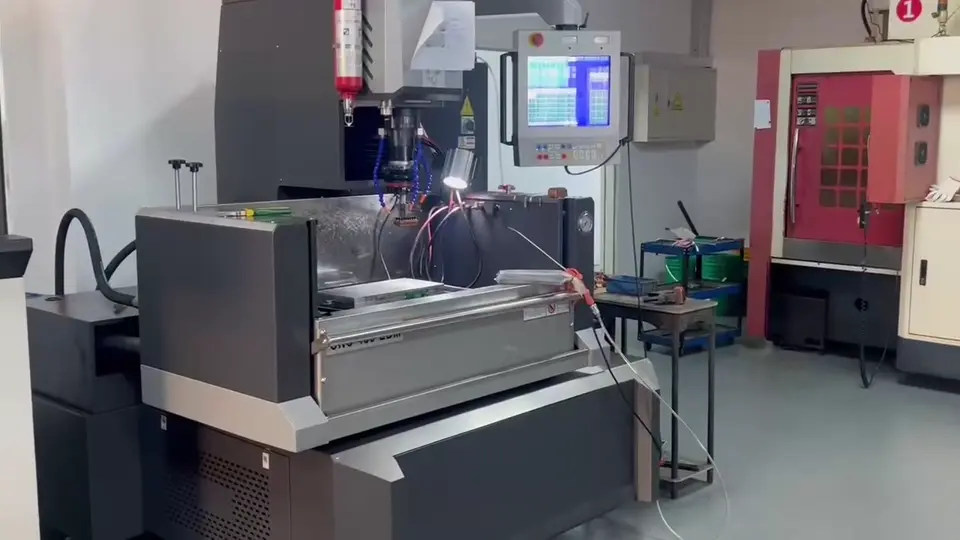 WORKSHOP FOOTAGE
Will a custom compression mold fit your existing press?
Send machine-interface information before the mold layout is frozen.
Read the guide →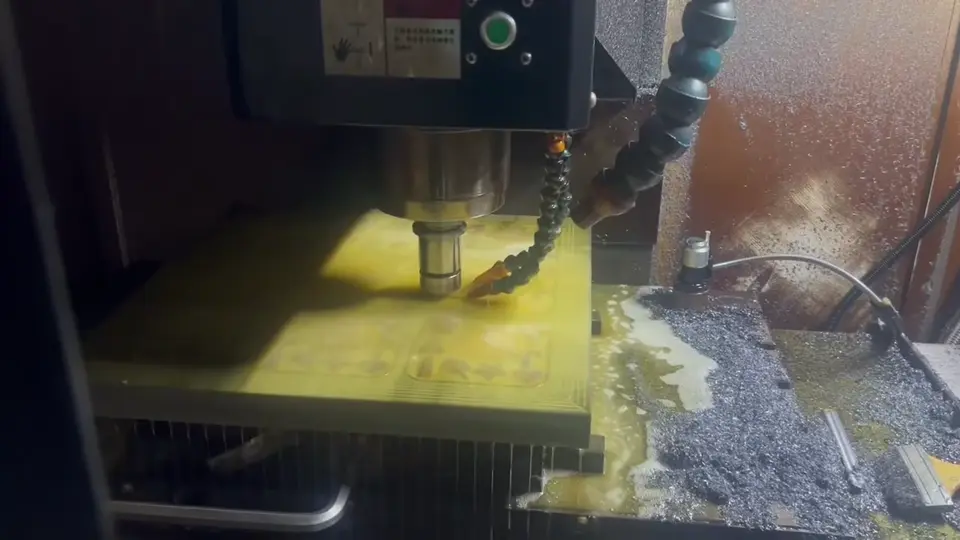 WORKSHOP FOOTAGE
Can an existing silicone steel mold be modified?
Separate a feasible steel change from a risky promise to reuse everything.
Read the guide →WORKSHOP FOOTAGEWho owns the mold, and what should a tooling handover include?
Put ownership, storage and transfer deliverables into the quotation.
Read the guide →WORKSHOP FOOTAGECan you quote a silicone mold without a STEP file?
Learn what a photo, sample or 2D drawing can establish before final tooling.
Read the guide →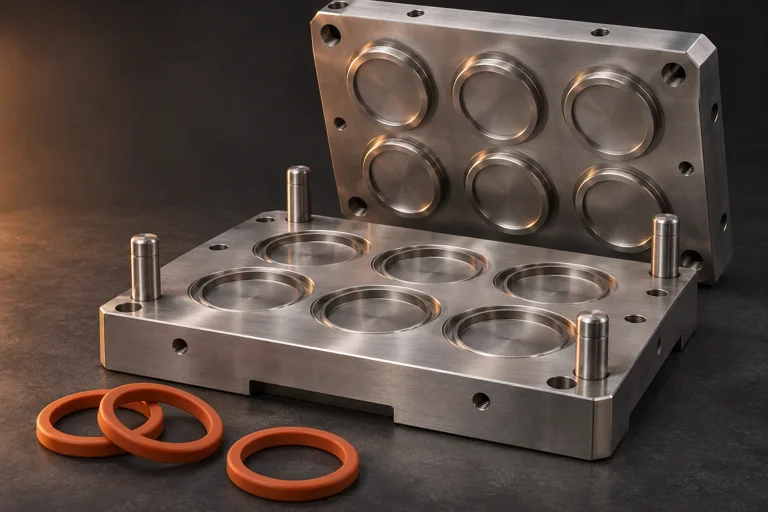 CONCEPT VISUAL
What to send for a silicone compression mold quotation
A practical RFQ checklist that turns a part drawing into a clearer, more comparable tooling proposal.
Read the guide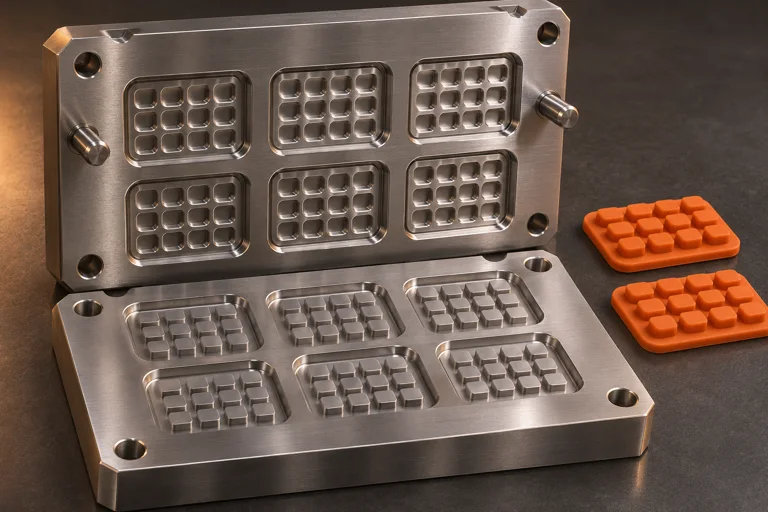 CONCEPT VISUAL
Compression vs LSR injection tooling: what changes?
Separate material, process and equipment before comparing the cost of two silicone mold proposals.
Read the guide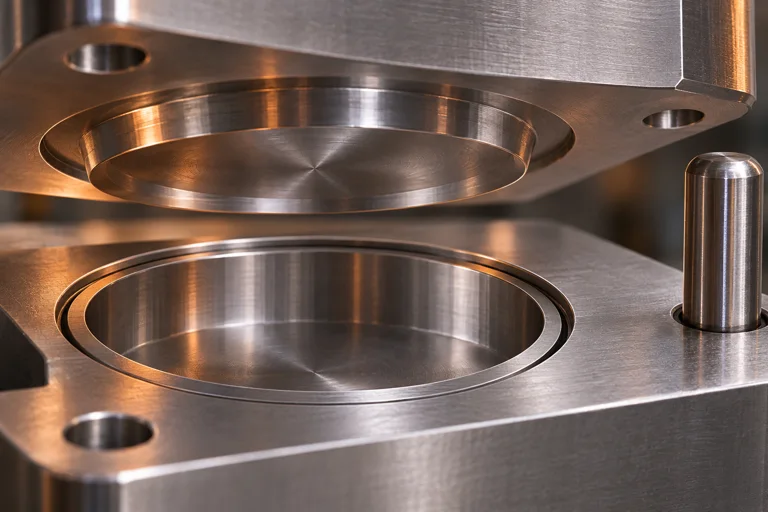 CONCEPT VISUAL
Parting lines, flash and venting: a design review checklist
Connect mold separation to the surfaces your customer sees, touches and relies on.
Read the guideCONCEPT VISUALSilicone shrinkage and tolerances: what to agree before tooling
Why the steel cavity dimension and the accepted silicone part dimension are separate requirements.
Read the guide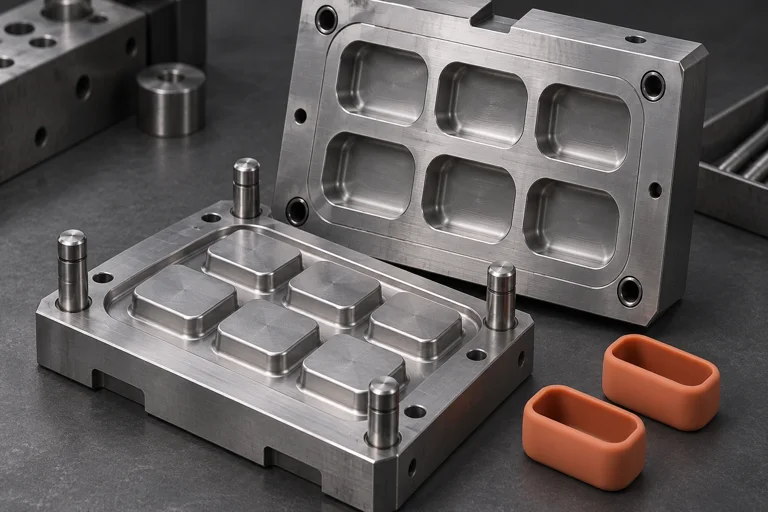 CONCEPT VISUAL
How many cavities should your compression mold have?
Compare production needs, press fit and handling before choosing a larger mold.
Read the guideCONCEPT VISUALA practical acceptance plan for your silicone compression mold
Agree on evidence, samples and responsibilities before the tooling reaches the delivery stage.
Read the guideKnow the terms.
Ask the right questions.
A concise glossary of the words you will see in a tooling discussion.
Start with a clearer brief.
Download a practical checklist before sending your drawing.